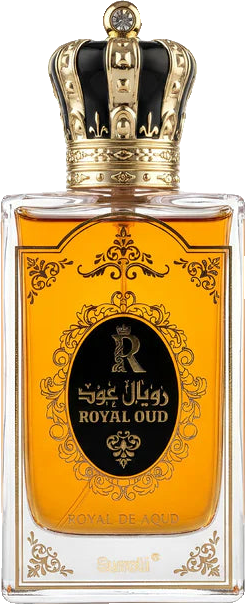
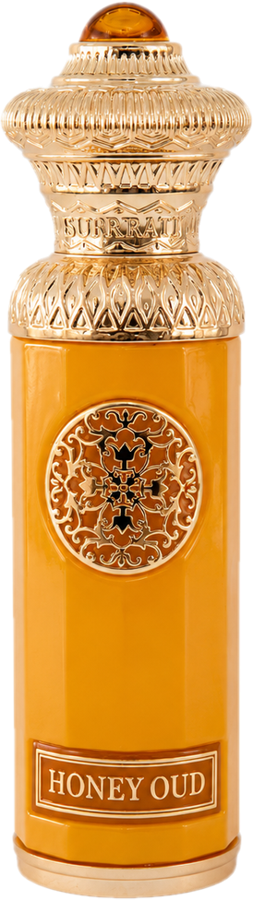
Where does oud come from?
It all begins with the agarwood tree. When a particular mould attacks the wood, the tree defends itself in a way few would believe possible: it produces a dark, fragrant resin deep inside itself. Years pass. The resin matures in silence. Eventually it is this resin we call oud – and the process is so slow that genuine oud ranks among the most expensive raw materials on earth.
What does oud smell like?
The first impression is richness: woods, leather and smoke, with something almost sweet beneath. Pure oud is powerful – almost overwhelming. That's why it is so often blended with rose, amber, vanilla or spice, which soften it and make it wearable for every day. Then the scent unfolds, layer by layer, and you understand why it is so coveted.
Real oud and oud accords
Not every oud in a bottle comes straight from the tree. Many perfumes unite natural oud with oud accords – a recreated oud scent built note by note. The result is more consistent quality and a more accessible price, without losing the depth. For you, it means you can experience oud's charm without paying for the rarest of the rare.
How to choose your first oud
If you're new, start gently. Pick a scent where oud is carried by something sweet or floral – then it becomes a warm embrace, not an assault. If, however, you love the deep and smoky, seek out scents where oud takes centre stage. That is the full, unfiltered experience.