Eau de Toilette
The lightest voice. Around 5–15% fragrance oil gives a fresh, easy scent that wakes quickly and fades just as fast. Think of it as morning light – beautiful, but brief.
Eau de Parfum
The most common strength, 15–20% fragrance oil. Clear, balanced, a faithful companion through the day. For most, this is the gold standard.
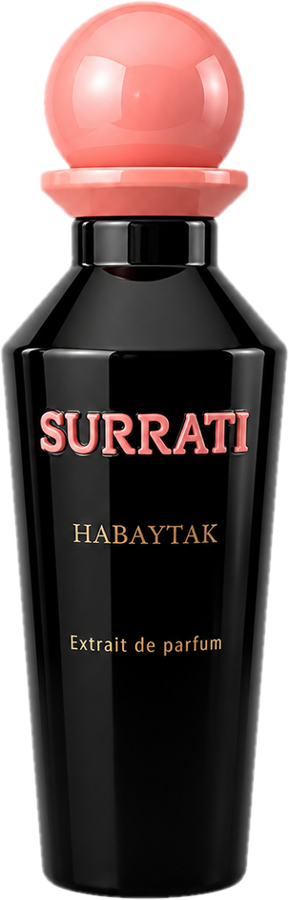
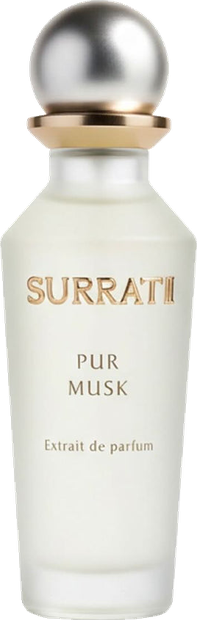
Extrait de Parfum
The strongest form, often above 20% fragrance oil. Richer, deeper, with longevity that surprises. You need fewer sprays – a little goes a long way. For the evening, for the moments you want to remember.
Perfume oil
Concentrated, alcohol-free fragrance applied straight to the skin. It sits close, lasts long and follows the body's warmth. Many smooth it on as an invisible base beneath a perfume – a secret layer that helps everything above it hold better.
Which should you choose?
If you want to fill a room, choose Extrait or Eau de Parfum. If you want something personal, whispered only to you and those closest, try a perfume oil. Or do as many in the Middle East: combine both.